
Iran Names Mojtaba Khamenei As New Supreme Leader Following Father’s Death
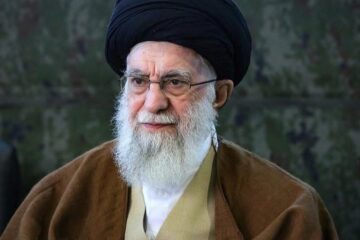
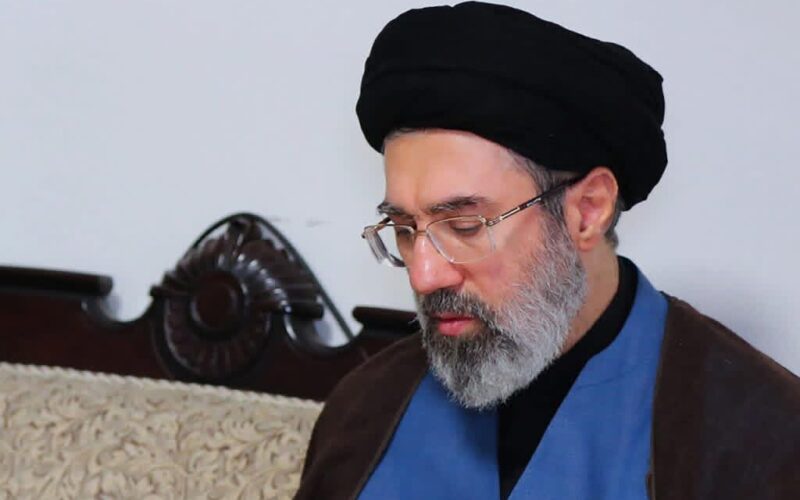
Iran has officially named Mojtaba Khamenei as the country’s new supreme leader following the death of his father, Ali Khamenei, state media reported, citing Al Jazeera.
The country’s Assembly of Experts announced the decision on Sunday, describing Mojtaba’s appointment as the result of a “decisive vote.” In a statement circulated by state media, the clerical body urged Iranians to unite behind the new leader. Citizens, it said, particularly intellectuals and elites from seminaries and universities, should pledge allegiance and support national unity.
Ali Khamenei, who had served as Iran’s supreme leader since 1989, was reportedly killed on February 28 in a joint United States and Israeli air operation targeting leadership sites in Tehran amid rising regional tensions. His death sparked immediate speculation about his successor, with Mojtaba Khamenei widely regarded as a frontrunner despite concerns over hereditary leadership within Iran’s political and religious establishment.
Mojtaba, a mid-ranking cleric with strong ties to the influential Islamic Revolutionary Guard Corps, has long exercised significant behind-the-scenes influence in Iran’s political system. His appointment marks a pivotal political transition in the country, as he assumes control over state policy, the military, and the judiciary, the Assembly of Experts confirmed.
Prior to the announcement, former U.S. President Donald Trump publicly opposed the idea of Mojtaba assuming the role, reportedly calling him a “lightweight” and questioning his suitability for leadership in the Islamic Republic.
Under Iran’s constitution, the Assembly of Experts holds the authority to select the supreme leader, the nation’s highest office. Mojtaba Khamenei’s selection comes at a critical moment for Iran, as the country navigates both domestic uncertainty and heightened regional tensions following the killing of Ali Khamenei.
This historic appointment signals a major shift in Iran’s leadership structure and is likely to shape the country’s political and military strategy in the coming years.